Best Crypto Exchanges Compared: Coinbase, Kraken, Binance and More
Cryptocurrencies like Bitcoin and Ethereum have created a new asset class, along with extreme price swings, new kinds of fraud and evolving regulation. Our crypto guides explain the technology and the markets in plain English.
We take a balanced view: what crypto can and cannot do, how to store it safely and why risk management matters more here than almost anywhere else in personal finance.
The best-known places to buy Bitcoin and other cryptocurrencies, compared on what matters most: availability in the US and UK, regulation, trading fees and their track record, including problems in the past. Fees shown are entry-level fees for small accounts.
Rates, fees and terms checked on . They change often; always confirm with the provider before you sign up.
Americans reported $11.4 billion in crypto-related fraud losses to the FBI in 2025, most of it in fake investment schemes. Here is how the main scams work, the warning signs and where to report.
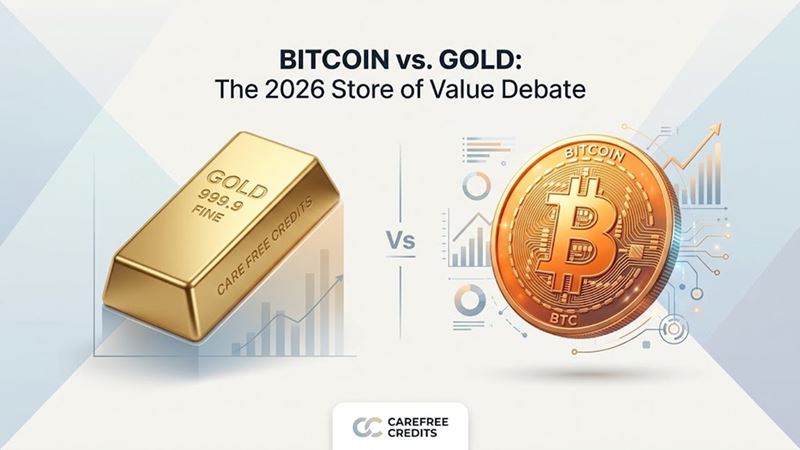
Gold has thousands of years of history and moves far less; Bitcoin has a fixed supply and far higher volatility. Here is how they compare as stores of value and how investors use each.
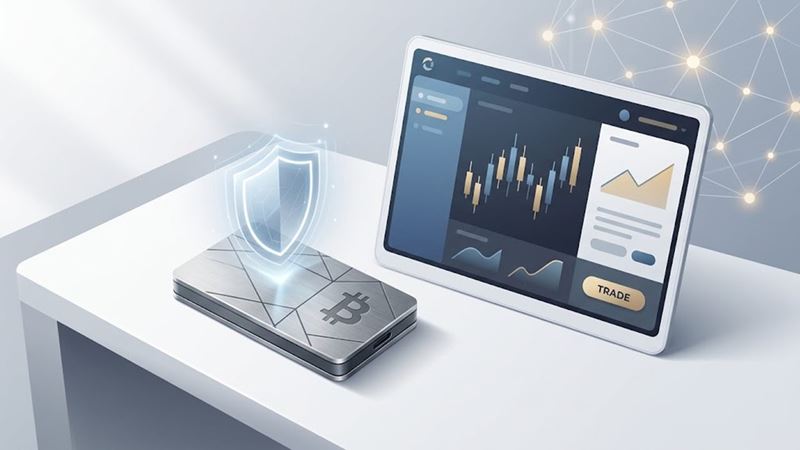
An exchange holds your crypto for you; a self-custody wallet lets you hold the keys yourself. Exchanges are convenient but add counterparty risk. Here is how to choose and how to combine both.
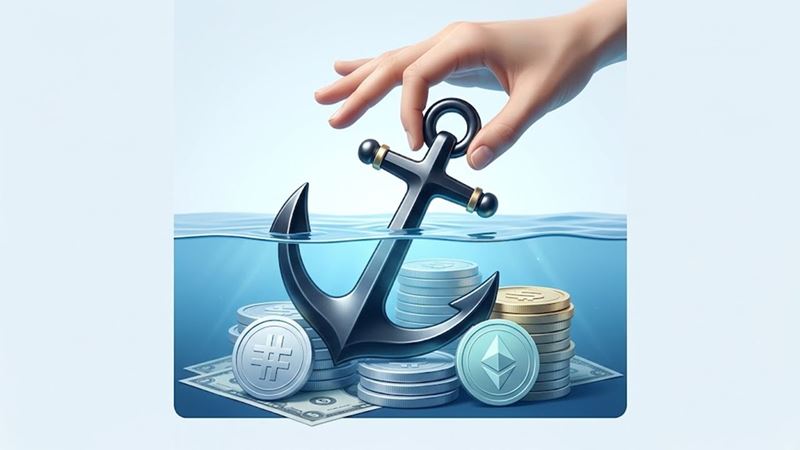
Stablecoins are crypto tokens designed to hold a steady value, usually $1. Tether's USDT and Circle's USDC are the largest. Here is how they are backed, how they differ and what can go wrong.
Staking means locking up proof-of-stake coins to help secure a blockchain in exchange for rewards. Yields vary and come with price, lockup and platform risks. Rewards are taxable income.
The best Bitcoin wallet depends on how much you hold and how you use it. Compare hardware, mobile, desktop and exchange wallets, learn how seed phrases work and follow our security checklist.
The Bitcoin halving cuts the reward for miners in half about every four years. Learn how it works, see every halving date and price, and understand what the 2028 halving could mean.
Bitcoin mining secures the network and creates new coins. Learn how proof of work, hashing and difficulty adjustments work, what miners earn and why home mining rarely pays off.
Selling, swapping or spending Bitcoin can trigger tax. Learn which transactions are taxable, how to calculate gains, how 1099-DA reporting works and how to keep the right records.
Bitcoin has made early investors rich and handed others painful losses. Weigh the arguments for and against, the real risks and a practical way to decide how much, if any, to own.
Bitcoin and Ethereum are the two largest cryptocurrencies, but they are built for different jobs. Compare their purpose, supply, technology, energy use, risks and role in a portfolio.
Spot Bitcoin ETFs let you invest in BTC through a regular brokerage account. Learn how they work, what they cost, how they compare with buying bitcoin directly and which risks remain.