Best Credit Cards Compared: Cash Back, Rewards and Travel
Used well, a credit card is a convenient payment tool that can earn cashback or travel rewards. Used carelessly, it becomes one of the most expensive ways to borrow. Our credit card guides explain how interest is calculated, how grace periods work and what fees to watch for.
We also look at rewards and cashback programs with a critical eye, so you can tell whether a card's perks are actually worth its costs.
Well-known cash back, rewards and travel credit cards in the United States, the United Kingdom and other major markets, compared on annual fee, rewards, foreign transaction fees and the most important pros and cons. Switch between regions with the tabs. Interest rates (APRs) are variable and depend on your credit profile; welcome offers change often, so check the issuer before applying.
Rates, fees and terms checked on . They change often; always confirm with the provider before you sign up.
2% on every purchase1% when you buy and 1% when you pay. 0% intro APR on balance transfers for 18 months (transfer fee applies); no intro APR on purchases.
1%–8% cash back3% on dining, entertainment, popular streaming and grocery stores (not superstores like Walmart and Target), 8% on Capital One Entertainment, 5% on hotels and rental cars via Capital One Travel, 1% elsewhere.
None
Dining, groceries and entertainment
No annual fee and no foreign transaction fees
High rewards on dining, groceries and entertainment
Easy to redeem cash back
Grocery bonus excludes superstores and warehouse clubs
5% in rotating categories, 1% else5% on up to $1,500 per quarter in categories you activate (Q4 2026: entertainment, restaurants, utilities). First-year Cashback Match. Some cards move to Capital One from July 2026.
1x–5x points5x on Chase Travel; 3x on dining, online groceries, select streaming, gas and EV charging, vacation rentals; 2x other travel; 1x elsewhere. $100 annual Chase Travel hotel credit. The 10% anniversary bonus ends Oct. 1, 2026.
None
A first travel rewards card
Points transfer to airline and hotel partners
$100 annual hotel credit via Chase Travel
Strong travel and rental car protections
$95 annual fee
Some 2026 changes reduced point value (anniversary bonus, Hyatt ratio)
2x–10x miles2x on everything; 10x on hotels and rental cars and 5x on flights and vacation rentals booked via Capital One Travel. $300 annual travel credit via Capital One Travel and 10,000 anniversary miles.
None
Premium travel at a moderate fee
Travel credit and anniversary miles can offset most of the fee
Airport lounge access
2x miles on every purchase
$395 annual fee
Travel credit only via Capital One Travel
Premium perks only pay off if you travel regularly
1x–5x points4x at restaurants worldwide (up to $50,000 a year) and US supermarkets (up to $25,000 a year), 3x on flights, 5x on prepaid hotels via Amex Travel. Credits include $120 dining, $120 Uber Cash, up to $100 Resy and $84 Dunkin'.
1x–5x points5x on flights booked directly or via Amex Travel and on prepaid hotels via Amex Travel, 1x elsewhere. Access to 1,550+ airport lounges and credits worth over $3,500 a year if fully used (hotels, Resy, digital entertainment, Uber, CLEAR+, airline fees and more).
2% cashback in categories2% on groceries, restaurants, transport, fuel and EV charging, up to £20 a month combined with the Chase debit card. Requires a Chase current account. Representative 24.9% APR (variable).
0.5%–2% cash back2% in up to three spending categories you choose (the third requires depositing rewards into a Tangerine savings account), 0.5% on everything else.
NoneNo annual fee and no foreign currency fee; Barclays' German card business now operates under the easybank brand.
None
Fee-free spending abroad in Germany
No annual fee
No foreign currency fees
Up to 59 days interest-free payment period
Partial repayment with high interest unless you choose full repayment
No rewards
Brand change may cause confusion
How to choose a credit card
If you ever carry a balance, choose a low APR over rewards; interest outweighs any cash back.
Pick rewards that match your actual spending: flat 2% for simplicity, categories if you spend a lot on food or travel.
Only pay an annual fee if the rewards and credits you will really use are worth more than the fee.
Use a card without foreign transaction fees when you travel or shop in other currencies.
Check your credit score first; premium cards usually require good to excellent credit.
Annual fees, rewards and foreign transaction fees as published by issuers and major review sites in 2026. Terms change; always read the issuer's current rates and fees before applying.
International cards can only be opened by residents of the respective country. Amounts are shown in local currency (CA$, A$, €).
Purchase APRs are variable and depend on your creditworthiness. After the Federal Reserve's September 2026 rate hike, variable card APRs moved higher.
Welcome bonuses are not listed because they change frequently.
We have no affiliate or advertising relationship with any issuer in this table. Links are not sponsored.
No credit history? The right card and a few simple habits can build a good score in about a year. Learn how scores work, compare credit-building cards and follow a step-by-step timeline.
A balance transfer can stop expensive credit card interest for up to 21 months in the US and up to 38 months in the UK. Compare offers, calculate the real cost and avoid common traps.
No-annual-fee cards can earn 2% back, 3% on dining or groceries and offer long 0% intro periods. Compare the best US and UK options and see when paying a fee makes sense.
Business credit cards separate company spending, simplify bookkeeping and earn rewards on business expenses. Compare popular no-fee and rewards cards and learn the rules that differ from personal cards.
A 0% intro APR card lets you pay off a large purchase or existing debt without interest for up to 21 months. Compare the longest offers and learn how to use them safely.
A student card can give you a strong credit score by graduation. Compare no-fee student cards with cash back, learn the under-21 income rule and follow simple habits that protect your credit.
Travel cards can turn everyday spending into flights and hotel stays. Compare no-fee, mid-tier and premium travel cards, see when an annual fee pays for itself and avoid common traps.
Bad credit does not have to be permanent. Compare secured and starter cards that accept damaged credit in the US and UK, see what they cost and follow a 12-month plan to rebuild.
Cash back cards pay you back a share of every purchase. Compare flat-rate, category and rotating cash back cards, see what each earns on a real budget and avoid the traps.
Your first credit card should be easy to get, free to keep and simple to use. Compare beginner-friendly cards for no credit, fair credit and good credit, plus the rules that build a strong score.
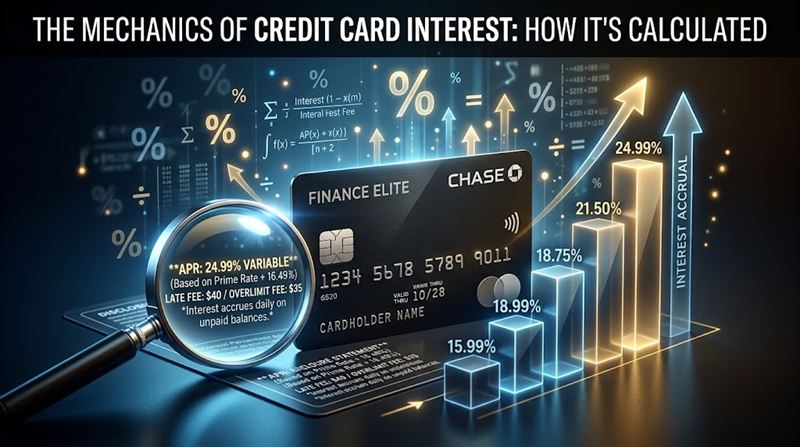
Credit card interest is charged daily on your average balance. Learn how APR turns into the interest on your statement, how the grace period works and what minimum payments really cost.