Tools
Credit Card Rewards Calculator: Which Card Earns You More?
Compare two credit cards on your own spending: yearly rewards, annual fees, welcome bonus, effective reward rate and the interest that wipes out rewards if you carry a balance.
The right credit card can earn rewards, build your credit and save interest; the wrong one gets expensive. These guides explain how cards work and which type fits your situation.
19 guides about “Credit Cards”.
Compare two credit cards on your own spending: yearly rewards, annual fees, welcome bonus, effective reward rate and the interest that wipes out rewards if you carry a balance.
With card APRs averaging 22.15%, every month counts. Pay minimums on all cards, then throw every extra dollar at one card. Here is the math on avalanche vs. snowball and when a 0% transfer saves more.
With no credit history you have no score at all. One reported account that is six months old is enough for a FICO score. Secured cards, student cards, builder loans and authorized-user status get you there.
Paying on time and lowering card balances drive most of your score. Some fixes show up within a month, others take a year. Here are the ten steps that work, in order of impact, and what they are worth.
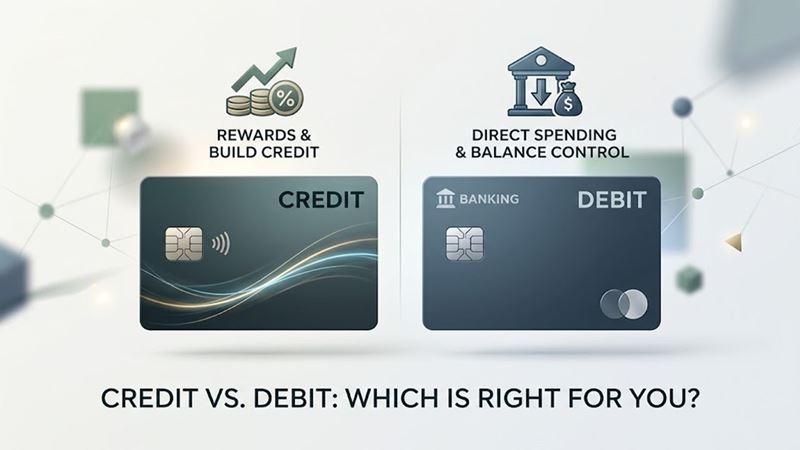
A debit card spends money you have; a credit card borrows money you repay. Credit cards offer stronger fraud protection, rewards and credit building, but only if you pay in full.
Paying the minimum keeps your account current, but a $5,000 balance at 22% can take about 19 years and cost over $8,000 in interest. Here is how minimums work and what to do instead.
Pay the statement balance in full by the due date and you avoid interest on purchases. The current balance includes newer charges that are not due yet. Here is how the two work.
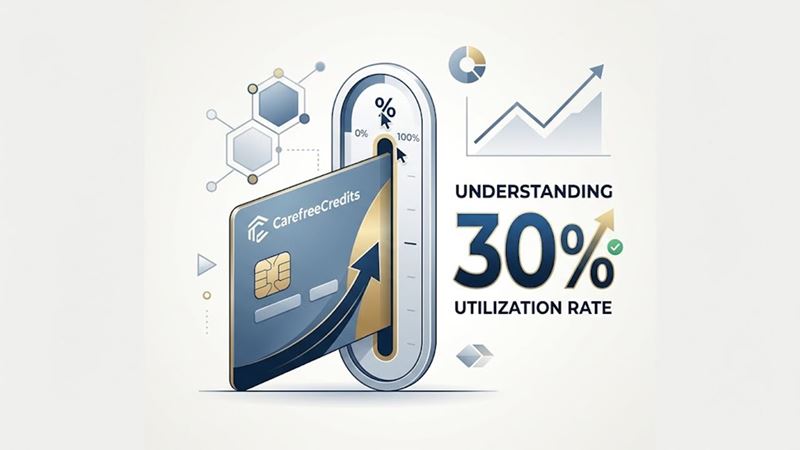
Credit utilization is the share of your card limits you are using. Under 30% is the usual advice, under 10% is better, and FICO's top scorers average single digits. Here is how it works.
No credit history? The right card and a few simple habits can build a good score in about a year. Learn how scores work, compare credit-building cards and follow a step-by-step timeline.
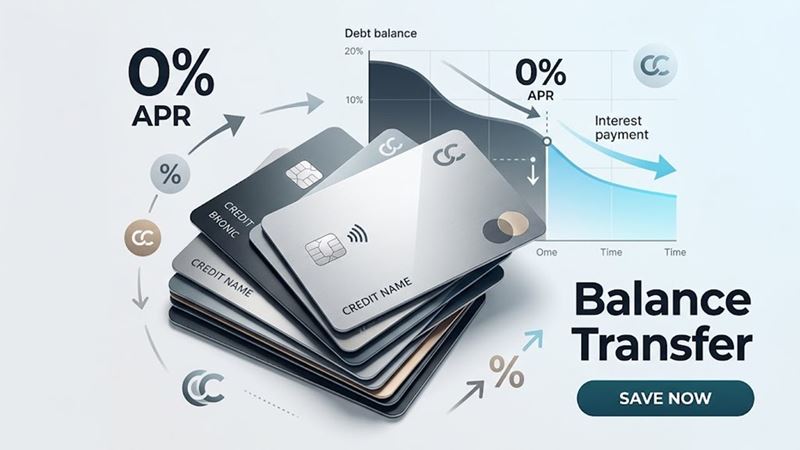
A balance transfer can stop expensive credit card interest for up to 21 months in the US and up to 38 months in the UK. Compare offers, calculate the real cost and avoid common traps.
No-annual-fee cards can earn 2% back, 3% on dining or groceries and offer long 0% intro periods. Compare the best US and UK options and see when paying a fee makes sense.
Business credit cards separate company spending, simplify bookkeeping and earn rewards on business expenses. Compare popular no-fee and rewards cards and learn the rules that differ from personal cards.