Tools
Financial Health Score: Take the Free 2-Minute Check-Up
Eight questions, two minutes and a score from 0 to 100: see whether you are financially healthy, coping or vulnerable, which areas pull your score down and where to start.
Your credit score summarizes how reliably you repay debt. Learn what moves it up or down and how to improve it with simple, consistent habits.
23 guides about “Credit Score”.
Eight questions, two minutes and a score from 0 to 100: see whether you are financially healthy, coping or vulnerable, which areas pull your score down and where to start.
Pay-in-four plans are usually interest-free, but late fees, stacking several plans and longer financing at up to 36% APR can get expensive. Some BNPL loans now show up on credit reports and in newer scores.
Wrong collections can be disputed and removed. Accurate ones stay up to seven years, but you can ask for deletion in exchange for payment, and newer scores ignore paid collections. Here is how to handle each case.
With no credit history you have no score at all. One reported account that is six months old is enough for a FICO score. Secured cards, student cards, builder loans and authorized-user status get you there.
Soft inquiries never affect your score. A hard inquiry usually costs fewer than five FICO points and counts for 12 months. Rate shopping within 14 to 45 days counts as one inquiry.
A credit freeze blocks new accounts until you lift it; a fraud alert only asks lenders to verify your identity. Both are free and neither affects your score. Here is how they compare and how to set them up.
Most negative items stay seven years, Chapter 7 bankruptcy up to ten and hard inquiries two. The clock usually starts at the original delinquency, and paying a debt does not restart it.
Under the Fair Credit Reporting Act, credit bureaus generally must investigate a dispute within 30 days and fix or delete what cannot be verified. Here is how to dispute errors effectively, with a checklist.
Checking your own credit is a soft inquiry and never lowers your score. Your reports are free every week at AnnualCreditReport.com, and many banks, card issuers and Experian show a free score.
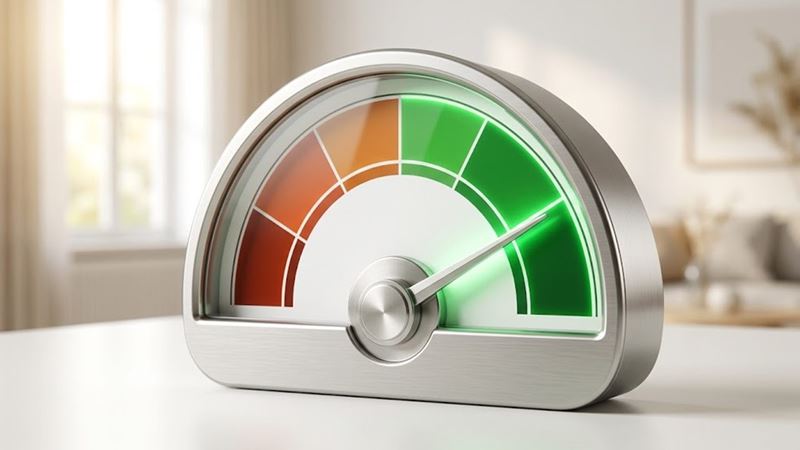
On the FICO scale, 670 to 739 is good, 740 to 799 very good and 800 or more exceptional. The U.S. average is 714. Here is what each range means for the rates and approvals you can expect.
Bad credit is not permanent. Stop new damage, add positive accounts like a secured card or credit-builder loan, keep balances tiny and let time work. Here is the plan and a realistic timeline.
Paying on time and lowering card balances drive most of your score. Some fixes show up within a month, others take a year. Here are the ten steps that work, in order of impact, and what they are worth.