Statement Balance vs. Current Balance: Which Should You Pay?
Pay the statement balance in full by the due date and you avoid interest on purchases. The current balance includes newer charges that are not due yet. Here is how the two work.
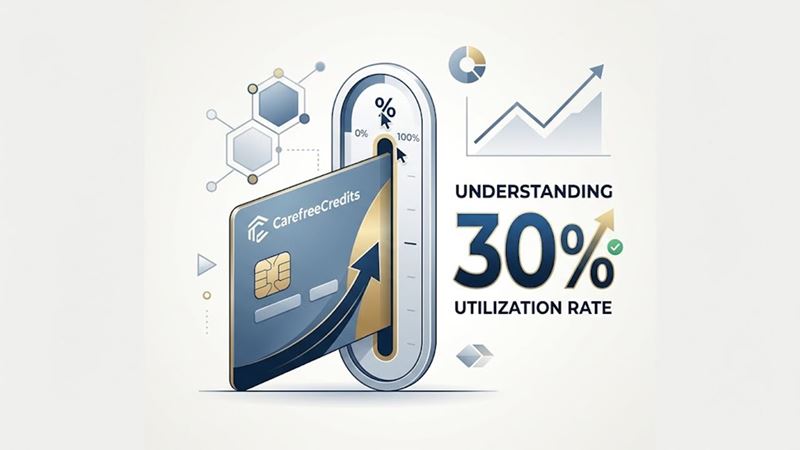

Credit utilization is the share of your card limits you are using. Under 30% is the usual advice, under 10% is better, and FICO's top scorers average single digits. Here is how it works.
Your debt-to-income ratio compares monthly debt payments with gross monthly income. Many personal loan lenders look for about 36% or less, and few go above 50%. Calculate yours here.
Self-employed borrowers can get personal loans, but lenders judge them on net profit from their tax returns, not on gross 1099 income. Here is what lenders check and how to present your income well.
Bad credit does not have to mean a 400% payday loan. Credit unions, secured loans and co-borrowers often cost a fraction of that. Here are the realistic options, their costs and the red flags to watch for.
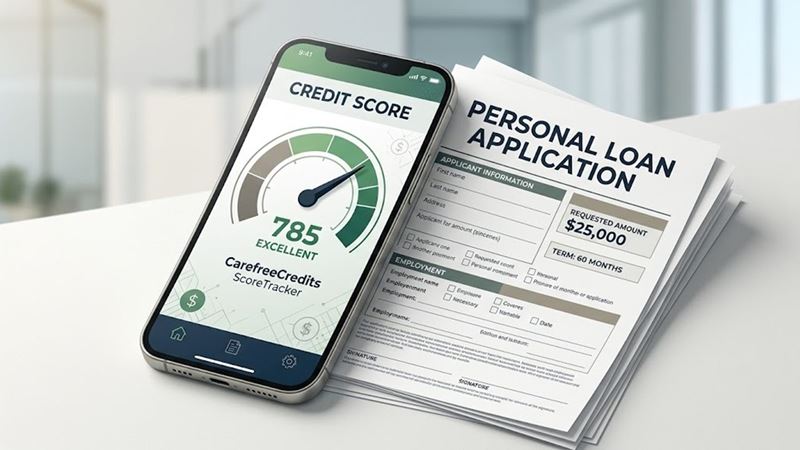
There is no single minimum score for a personal loan, but your score decides the price. Learn the FICO ranges lenders use, what debt-to-income ratio they want and how to improve your odds before you apply.
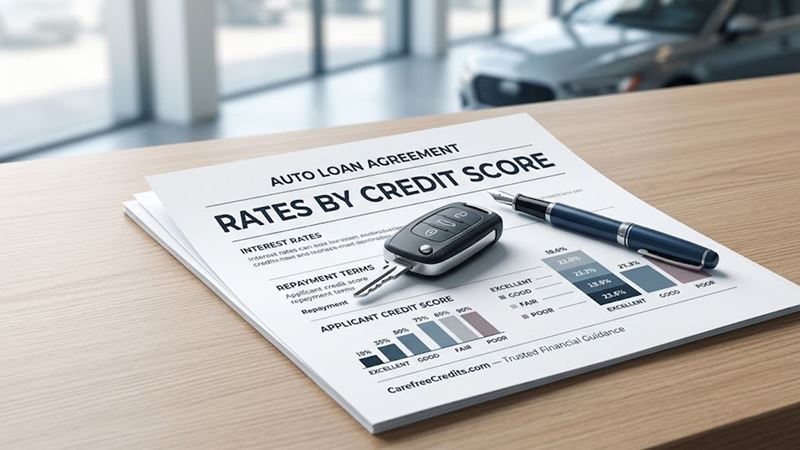
In Q2 2026, new car loans averaged 6.35% and used car loans 11.19%, but borrowers with top credit paid about a quarter of what subprime borrowers paid. See the full table and what each rate costs.
No credit history? The right card and a few simple habits can build a good score in about a year. Learn how scores work, compare credit-building cards and follow a step-by-step timeline.
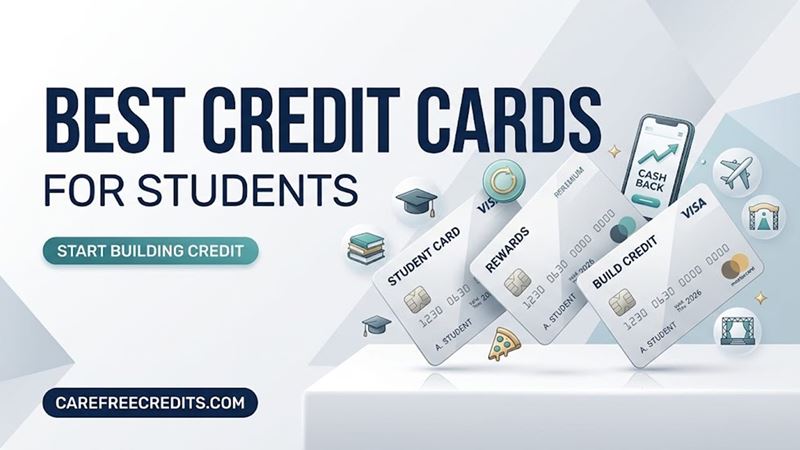
A student card can give you a strong credit score by graduation. Compare no-fee student cards with cash back, learn the under-21 income rule and follow simple habits that protect your credit.
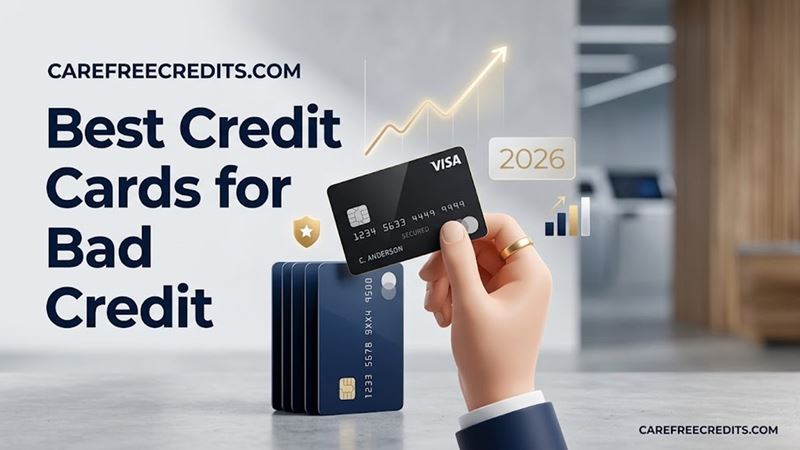
Bad credit does not have to be permanent. Compare secured and starter cards that accept damaged credit in the US and UK, see what they cost and follow a 12-month plan to rebuild.
Your first credit card should be easy to get, free to keep and simple to use. Compare beginner-friendly cards for no credit, fair credit and good credit, plus the rules that build a strong score.