Tools
APY Calculator: Convert an Interest Rate to APY and Back
APY includes the effect of compounding, so it is the number to compare savings accounts and CDs by. Convert a rate to APY or an APY back to a rate and see what your deposit earns.
Moving cash from a typical bank to a high-yield account can multiply the interest it earns. These guides explain how to do it safely.
19 guides about “High-Yield Savings”.
APY includes the effect of compounding, so it is the number to compare savings accounts and CDs by. Convert a rate to APY or an APY back to a rate and see what your deposit earns.
Your emergency fund target is your essential monthly expenses times the months you want to cover. Calculate it, see how many months you are covered today and how long it takes to reach the goal.
Find the monthly deposit that reaches your savings goal by a target date, or how long it takes at the amount you can afford, with interest from a high-yield savings account included.
The 50/30/20 rule puts 50% of take-home pay toward needs, 30% toward wants and 20% toward savings and extra debt payments. Here is how to apply it, a worked example and how to adjust it when housing costs more.
A no-penalty CD locks in a fixed rate but lets you withdraw your money early without a fee, usually after the first week. Here is what you give up for that flexibility.
A CD locks in a rate for a fixed term; a high-yield savings account keeps your money available at a variable rate. Here is how to decide, with examples for falling and rising rates.
At 4% APY, $10,000 earns about $400 in a year and $33 a month; at the 0.37% national average, about $37 a year. See the math for other balances, CDs and taxes.
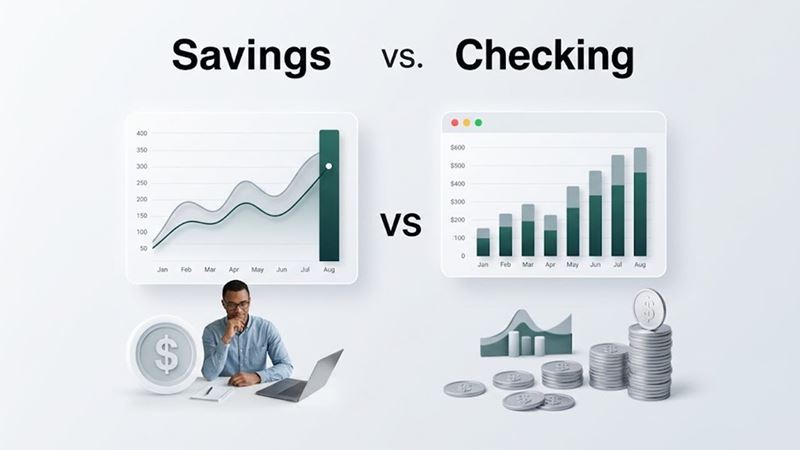
A checking account is for spending and a savings account is for keeping money you do not need yet. Here is how they differ in interest, access and fees, and how much to keep in each.
Calculate how much interest your savings account will earn with monthly deposits, compare a high-yield APY with the national average and work out how much to save each month for a goal.
A child's savings can sit in a joint account with a parent or in a custodial UTMA/UGMA account that legally belongs to the child. The choice affects control, taxes and financial aid. Here is how they compare.
Self-employed people pay taxes four times a year, so the money should sit somewhere safe, liquid and separate. A high-yield savings account fits most; Treasury bills can add state tax savings. Here is a simple system.
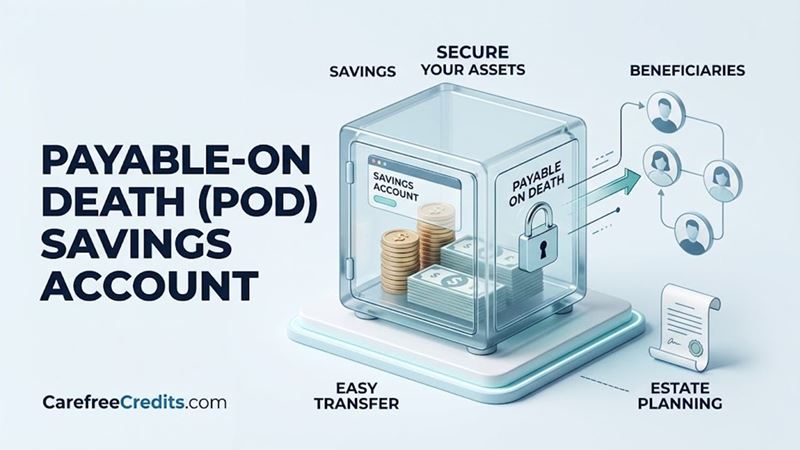
Naming a payable-on-death beneficiary lets your savings pass directly to the people you choose, without probate. It can also raise FDIC coverage to $1.25 million per owner. Here is how it works and what to watch.