Dormant Bank Accounts and Unclaimed Money: How to Prevent It and Get It Back
When a savings or checking account becomes dormant, how and when banks hand the money to the state, how to search for unclaimed funds for free and how to keep your own accounts from being escheated.

Listen to this article
Key takeaways
- An account becomes dormant when the owner shows no activity for a period set by state law, typically three to five years for checking and savings.
- After notice to the owner, the bank must transfer the balance to the state's unclaimed property program; this is called escheatment.
- States hold the money for the owner or heirs, generally with no deadline to claim it.
- Searching MissingMoney.com and state unclaimed property sites is free; legitimate claims generally cost nothing to file.
Old savings accounts are easy to forget: an account opened for a first job, a forgotten online bank, an account of a parent who has died. States collectively hold billions of dollars in unclaimed property, much of it from bank accounts. Finding yours takes minutes, and keeping your current accounts active takes even less.
Please note
General information as of October 2026. Dormancy periods, notice rules and claim procedures are set by each state and may change; check the unclaimed property office of the state where the account was held.
How an account becomes dormant
Banks track owner-generated activity: deposits or withdrawals you initiate, logging in, contacting the bank, or responding to a notice. Automatic interest credits often do not count. If there is no qualifying activity for the dormancy period, the bank must try to contact you, usually by mail and sometimes by email, and then report and remit the balance to the state.
The National Association of Unclaimed Property Administrators puts typical dormancy periods for checking and savings at three to five years. Some states use three years, others five. Banks may also charge inactivity fees before an account is escheated, if the account terms and state law allow.
What happens after escheatment
- The state holds the money in the owner's name; the account itself is closed.
- You or your heirs can claim it at any time, in most states without a deadline.
- Interest generally stops at transfer; a few states pay limited interest on certain property.
- Unclaimed securities may be sold by the state after a holding period, and the claimant receives the proceeds.
How to search for unclaimed money for free
- Start with MissingMoney.com, the multistate database endorsed by NAUPA. Search your name, maiden names and past addresses.
- Check each state where you lived or banked directly through its unclaimed property office; not every state participates fully in MissingMoney, and NAUPA lists every state office.
- Search for deceased relatives if you are an heir.
- File the claim online or by mail with proof of identity and of the address linked to the property.
Be cautious with "finders" who offer to locate money for a percentage. Many states cap their fees, and you can almost always file yourself for free. Never pay an upfront fee to someone who contacts you about unclaimed property.
Claiming for a deceased relative
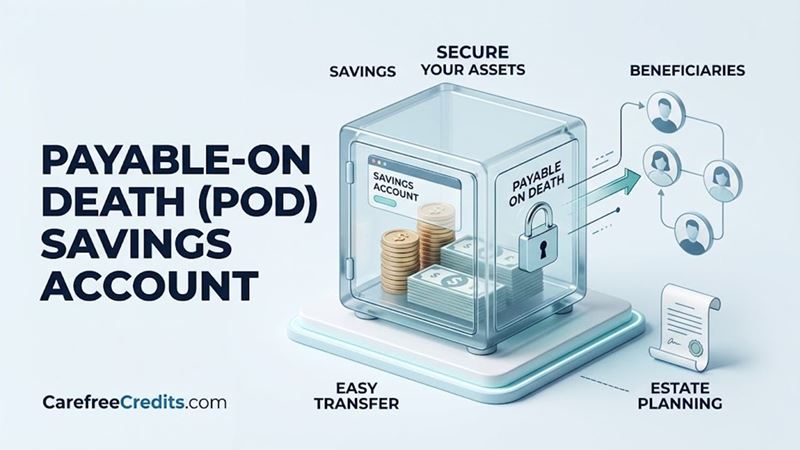
Heirs usually need the owner's death certificate and proof of their right to the property, such as letters of administration from probate, a small-estate affidavit or documents showing they are the named beneficiary. A payable-on-death designation makes such claims much simpler while the account is still at the bank.
How to keep your accounts from going dormant
- Log in or make a small transfer at least once a year for every account you keep.
- Keep your address and email current with each bank.
- Close accounts you no longer use and consolidate savings into one or two accounts.
- Keep an account list with your estate documents so heirs know what exists.
- Respond to dormancy notices promptly; a simple reply often counts as activity.
Is escheated money still FDIC insured?
Once transferred, the money is held by the state, not a bank, so deposit insurance no longer applies, but the state is obligated to return it to the rightful owner. While the account is still at an insured bank, it is insured like any other deposit; see FDIC insurance limits.
Frequently asked questions
How long before a bank account is considered dormant?
Typically three to five years without owner activity, depending on the state where the account is held.
Can I get my money back after the state takes it?
Yes. States hold unclaimed funds for owners and heirs, generally without a time limit, and claims are usually free.
Is MissingMoney.com legitimate?
Yes. It is operated in cooperation with NAUPA and participating state unclaimed property programs. Searches are free.
Do banks charge fees on dormant accounts?
Some do, if allowed by the account agreement and state law. Keeping the account active or closing it avoids that.
Does interest keep accruing on unclaimed property?
Usually not after the transfer to the state, though rules vary.