Tools
Free Rental Property Calculator: Cash Flow, Cap Rate and ROI
Analyze a rental property with monthly cash flow, NOI, cap rate, cash-on-cash return and DSCR, including vacancy, repairs, reserves and the mortgage.
From the first purchase to refinancing and home equity, these guides compare home loan options with current 2026 rules and numbers.
17 guides about “Home Loans”.
Analyze a rental property with monthly cash flow, NOI, cap rate, cash-on-cash return and DSCR, including vacancy, repairs, reserves and the mortgage.
In late September 2026, 5/1 ARMs averaged 6.47% vs. 7.30% for 30-year fixed loans. An ARM saves about $220 a month on $400,000 for five years, but the payment can jump later. Here is the full math.
One discount point costs 1% of the loan amount and lowers the rate by an amount that varies by lender. Points pay off only if you keep the loan past the break-even, often around five years.
A mortgage preapproval is a lender's conditional commitment based on verified income, assets and credit. It shows sellers you can buy and tells you your real budget. Here is how to get one and keep it.
Closing costs usually run about 2% to 5% of the loan amount on top of the down payment. Here is what they include, how to estimate yours and how to bring the total down.
Find out how much interest and time you save with extra mortgage payments, how a lump sum compares with monthly extras and when paying off the loan early does not make sense.
From 2026, mortgage insurance premiums are deductible again, the $750,000 mortgage limit is permanent and the SALT cap is $40,400. But you only benefit if your itemized deductions exceed the standard deduction.
Self-employed borrowers qualify on net income averaged over two years of tax returns, not on gross revenue. Learn how lenders treat rising and falling income, when one year is enough and what bank statement loans cost.
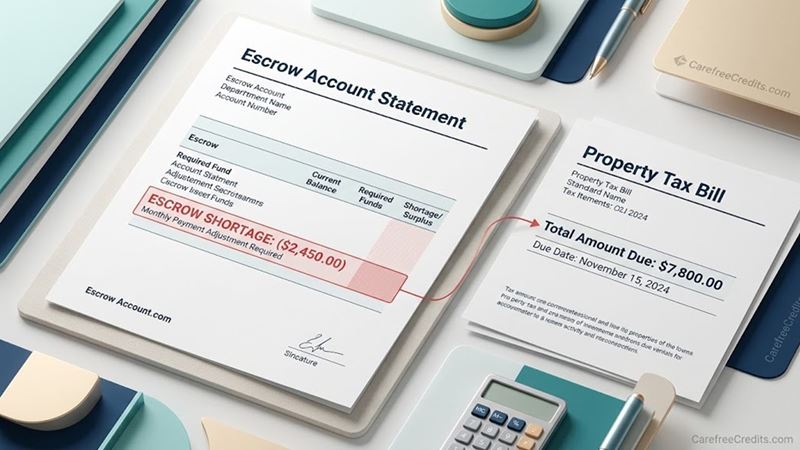
When property taxes or insurance rise, your escrow account comes up short and the servicer raises your payment. Federal rules limit the cushion to two months and let you spread a shortage over 12 months.
FHA, VA and USDA mortgages can be taken over by a qualified buyer, keeping the seller's rate. With new loans near 7.28%, assuming a 3% loan can save hundreds a month, if you can cover the seller's equity.
A mortgage recast keeps your rate and term but recalculates the payment after a lump-sum principal payment, usually for a fee of a few hundred dollars. Here is when it beats refinancing and when it does not.
A refinance pays off when the monthly savings recover the closing costs before you move or refinance again. Learn the break-even formula, see a worked example and avoid the term-reset trap.