Closing Costs Explained: How Much Does It Cost to Buy a House?
Closing costs usually run about 2% to 5% of the loan amount on top of the down payment. Here is what they include, how to estimate yours and how to bring the total down.
Buying a home combines a big decision with an unfamiliar process. These guides walk through budgeting, loan choices and the costs buyers often miss.
8 guides about “Home Buying”.
Closing costs usually run about 2% to 5% of the loan amount on top of the down payment. Here is what they include, how to estimate yours and how to bring the total down.
Estimate your monthly mortgage payment with taxes, insurance and PMI, see the total interest over the loan and learn how the rate, term and down payment change what you pay.
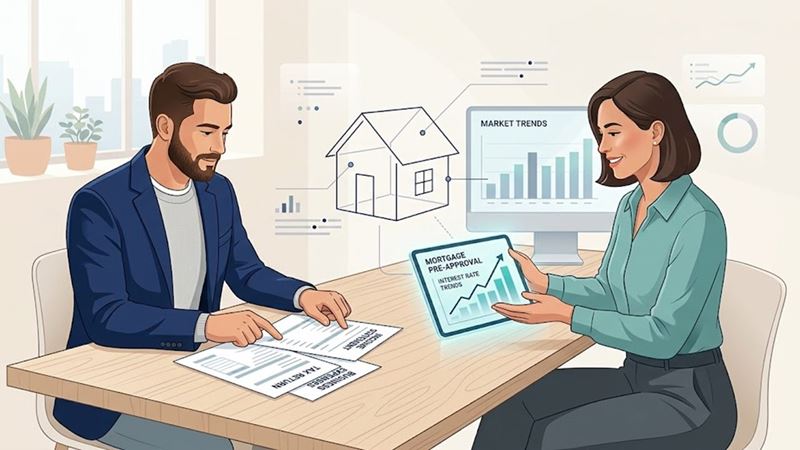
Self-employed borrowers qualify on net income averaged over two years of tax returns, not on gross revenue. Learn how lenders treat rising and falling income, when one year is enough and what bank statement loans cost.
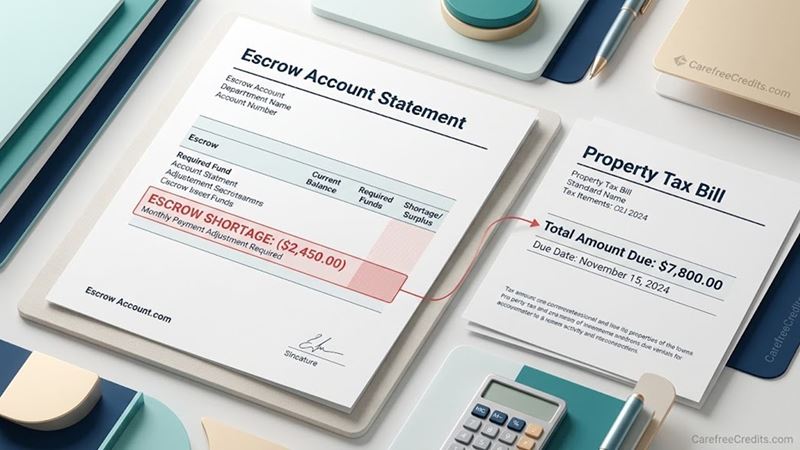
When property taxes or insurance rise, your escrow account comes up short and the servicer raises your payment. Federal rules limit the cushion to two months and let you spread a shortage over 12 months.
FHA, VA and USDA mortgages can be taken over by a qualified buyer, keeping the seller's rate. With new loans near 7.28%, assuming a 3% loan can save hundreds a month, if you can cover the seller's equity.
FHA loans accept credit scores from 500 with 10% down and 580 with 3.5% down. In exchange you pay a 1.75% upfront premium and an annual premium, often for the life of the loan. Here are all 2026 requirements.
You may count as a first-time buyer even if you owned a home before. Learn the HUD definition, compare FHA, conventional 3% down, VA and USDA loans, and see what a buyer really needs to save in 2026.
Lenders start with your income and debts: housing costs around 28% of gross income and total debts around 36%. At a 7.28% mortgage rate, that means about $300,000 of house on a $90,000 salary with 20% down.