Tools
Free Amortization Schedule Calculator: Monthly Payment Table
Create a full month-by-month amortization schedule for any loan, see how each payment splits into principal and interest and how extra payments shorten the loan.
Personal loans are simple on the surface and expensive in the details. These guides explain rates, fees, credit requirements and the alternatives worth comparing before you borrow.
16 guides about “Personal Loans”.
Create a full month-by-month amortization schedule for any loan, see how each payment splits into principal and interest and how extra payments shorten the loan.
Enter the amount, rate and term to see your monthly payment, total interest and APR including fees. Add an extra payment to see how much time and interest you save, and download the full schedule.
Getting a personal loan takes a few days: check your credit, prequalify with several lenders, compare APR rather than the rate, apply with your documents ready and set up autopay. Here is each step.
A secured loan is backed by collateral such as savings or a car, which lowers the lender's risk and often your rate. An unsecured loan relies on your credit alone. Here is how to choose.
Your debt-to-income ratio compares monthly debt payments with gross monthly income. Many personal loan lenders look for about 36% or less, and few go above 50%. Calculate yours here.
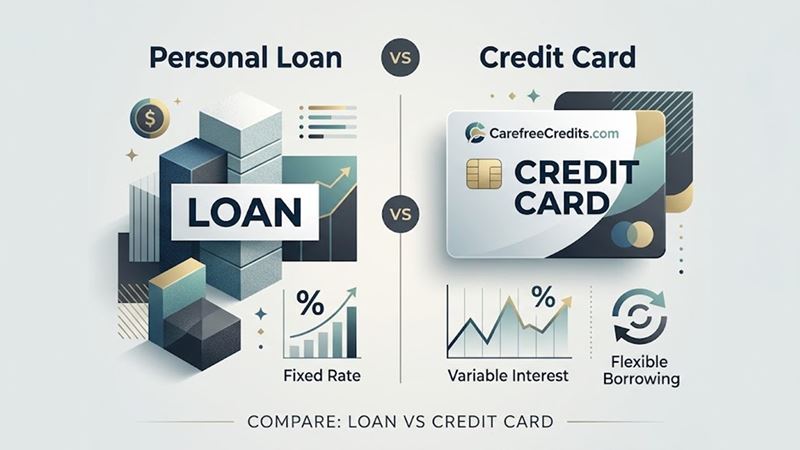
Personal loans usually charge far less interest than credit cards and have a fixed end date, while cards win for short-term borrowing, 0% offers and flexibility. Here is how to choose.
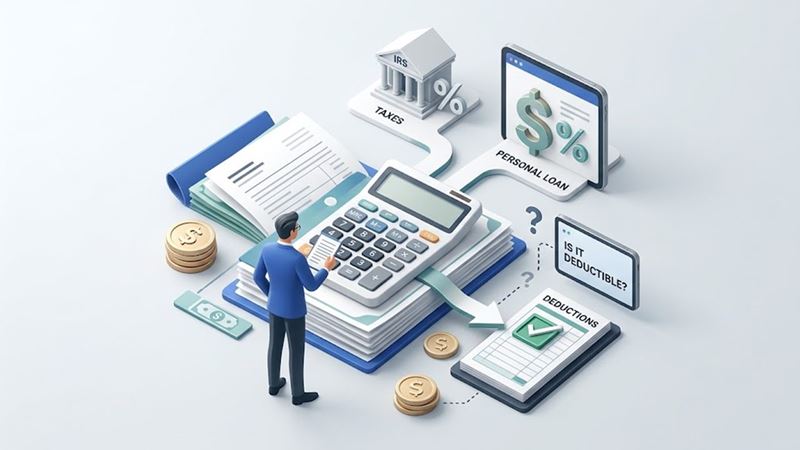
Interest on a personal loan used for personal expenses is not deductible. It can be if the money pays for business costs, investments or qualified education, and new-car buyers may deduct some auto loan interest through 2028.
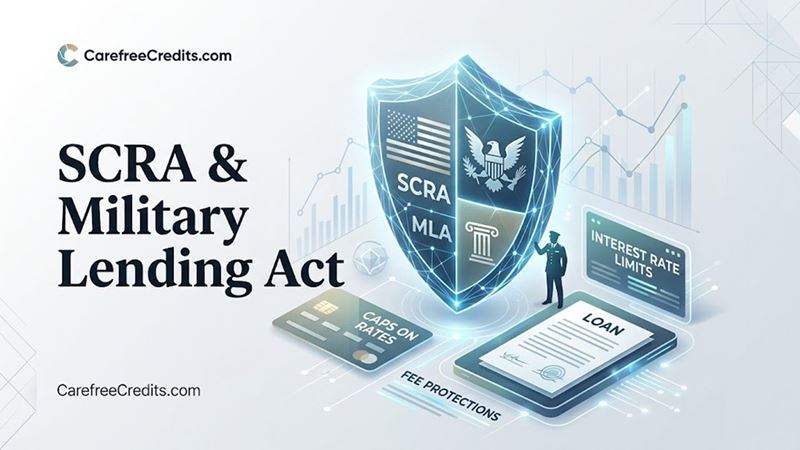
Service members can cap interest at 6% on debts taken out before active duty under the SCRA, and the Military Lending Act limits most new consumer credit to a 36% MAPR. Here is who qualifies and how to claim it.
Self-employed borrowers can get personal loans, but lenders judge them on net profit from their tax returns, not on gross 1099 income. Here is what lenders check and how to present your income well.
Payday alternative loans let federal credit union members borrow $200 to $2,000 at no more than 28% interest plus a fee of at most $20. Learn the PAL I and PAL II rules and what they cost compared with a payday loan.
Under the Rule of 78, interest is front-loaded, so paying a loan off early saves less than you expect. Federal law bans it for consumer loans longer than 61 months. Here is how it works and how to check your contract.
Bad credit does not have to mean a 400% payday loan. Credit unions, secured loans and co-borrowers often cost a fraction of that. Here are the realistic options, their costs and the red flags to watch for.